Introduction and research status
With the rapid development of IC manufacturing technology, in wafer-level packaging and other advanced packaging, package size is getting smaller and smaller, and the requirement of defect detection resolution has been increased from micron level to sub-micron level. Research on submicron 2D and 3D defect detection and complex defect identification and classification methods can provide key technical support for the development of semiconductor chip packaging defect visual detection system with independent intellectual property rights, and then lay a technical foundation for solving the "jam problem" faced by the semiconductor packaging industry and improving the yield of devices.
Aiming at the problem that chip surface patterns are complex and diverse, and the image quality of chip microdefects is affected by poor contrast under complex background, our team studied a superresolution algorithm for chip package microcracks and other defects detection. In order to solve the problems of small etching scale, complex morphology and large pattern scale, the team studied the multi-scale pattern recognition algorithm and multi-size defect recognition and classification technology. Aiming at the practical problems such as chip surface dirt, ball defects, chip dislocation, etc., which can provide limited data sets for microscopy inspection, and the neural network needs a large amount of data training and optimization, the team studied the virtual defect image generation technology of the adversity-network, realized the expansion of the small sample category data set, and overcame the problem of unbalanced sample data between categories in the data set. The equalization of sample data volume between categories is realized.
Zhang Jin, from Professor Xia Haojie's team at Hefei University of Technology, published a paper in the journal Optics and Precision Engineering (EI, Scopus, Chinese core journal, A cover article entitled "Channel Attention Network and System Design for Small Target Measurement" was published in the "Classification Catalogue of High Quality Scientific and Technological Journals in the Field of Instrumentation" and the "Classification Catalogue of High quality scientific and technological journals in the field of Optics and Optical Engineering".
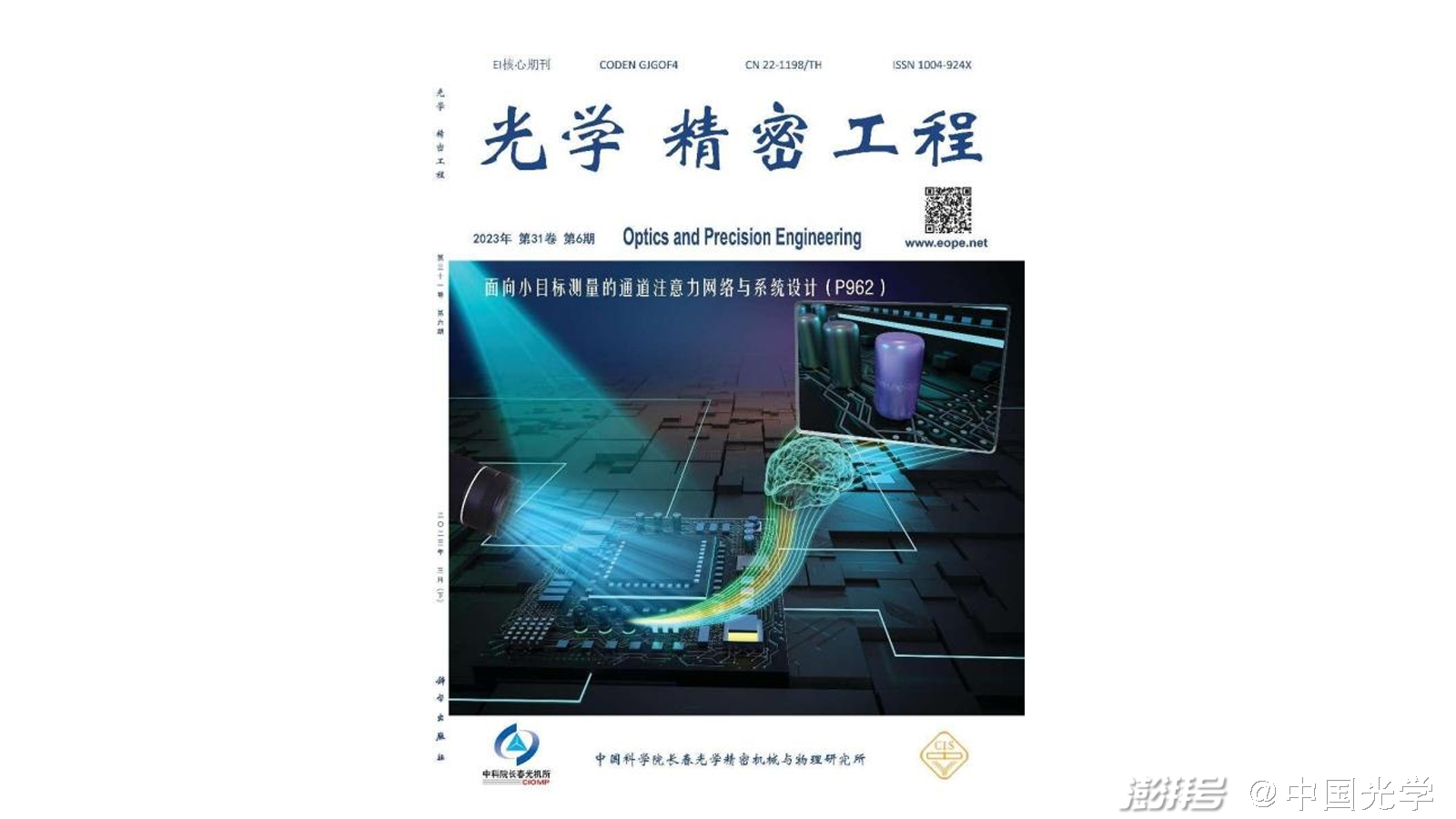
Issue 6, 2023
Description of key technical breakthroughs or problem solving
1. Design of channel attention network for reconstruction of high-frequency features of small targets
In order to solve the reconstruction problem of high-frequency feature components of small targets, the author designed and built an image super-resolution reconstruction network, as shown in Figure 1. The network adopts an end-to-end learning method and combines local and global residuals to prevent gradient explosion and gradient disappearance during training. In the network, the information flows among the layers of the network by means of jump connection, which strengthens the connection between the layers of the network and makes full use of the information, so that the network can better use the information at the lower level to guide the learning of the higher level. The author analyzed the different frequency features of the extracted target image, added the channel attention mechanism to the underlying feature extraction module of the model, and adjusted the weights between different channels adaptively, so that the model could better capture important information in the input features, so as to improve the recognition ability of tiny targets. Through comparison experiments with other algorithms, The advantages of the proposed method are verified.
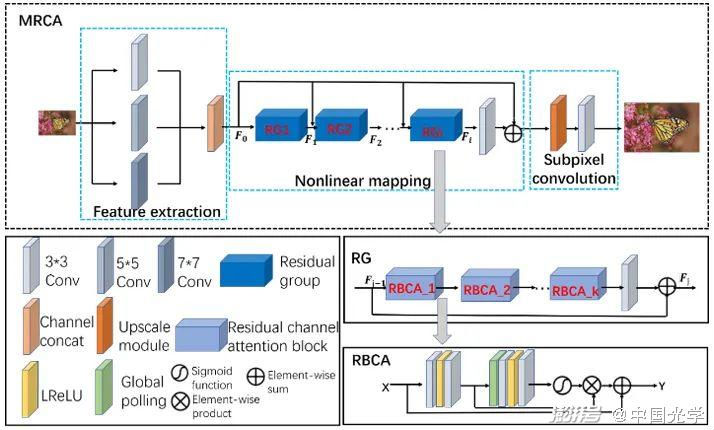
Figure 1: Network model structure diagram
2. Research and design of micro-target identification and measurement system
In order to study the detection and measurement of small targets, the author designed an experimental system (as shown in Figure 2). In the experiment, USAF1951 resolution board is used as the experimental object, the target image is obtained by CCD camera and the distortion correction is carried out to identify and measure the interested geometric elements in the image.
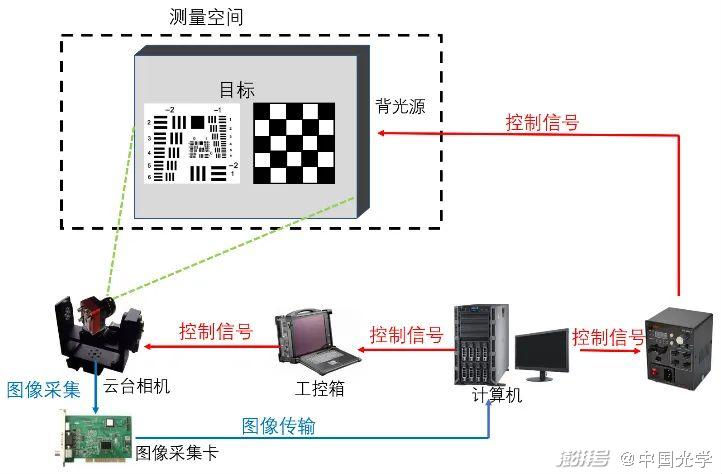
Figure 2: Experimental system diagram
3. Research on methods to improve measurement accuracy of small targets
Because the objects in the USAF1951 resolution board before and after reconstruction are different in the embodiment of high frequency characteristics (as shown in Figure 3), the computer processing results are different. By measuring the same object before and after reconstruction, the author compares the influence of the proposed algorithm on the measurement accuracy of the object. The linear width dimensions before and after reconstruction are measured from vertical and horizontal directions respectively, and the corresponding errors are calculated. As shown in Figure 4, the measurement accuracy after reconstruction has been effectively improved, with an average increase of 24.1% in the horizontal direction and 79.1% in the vertical direction.
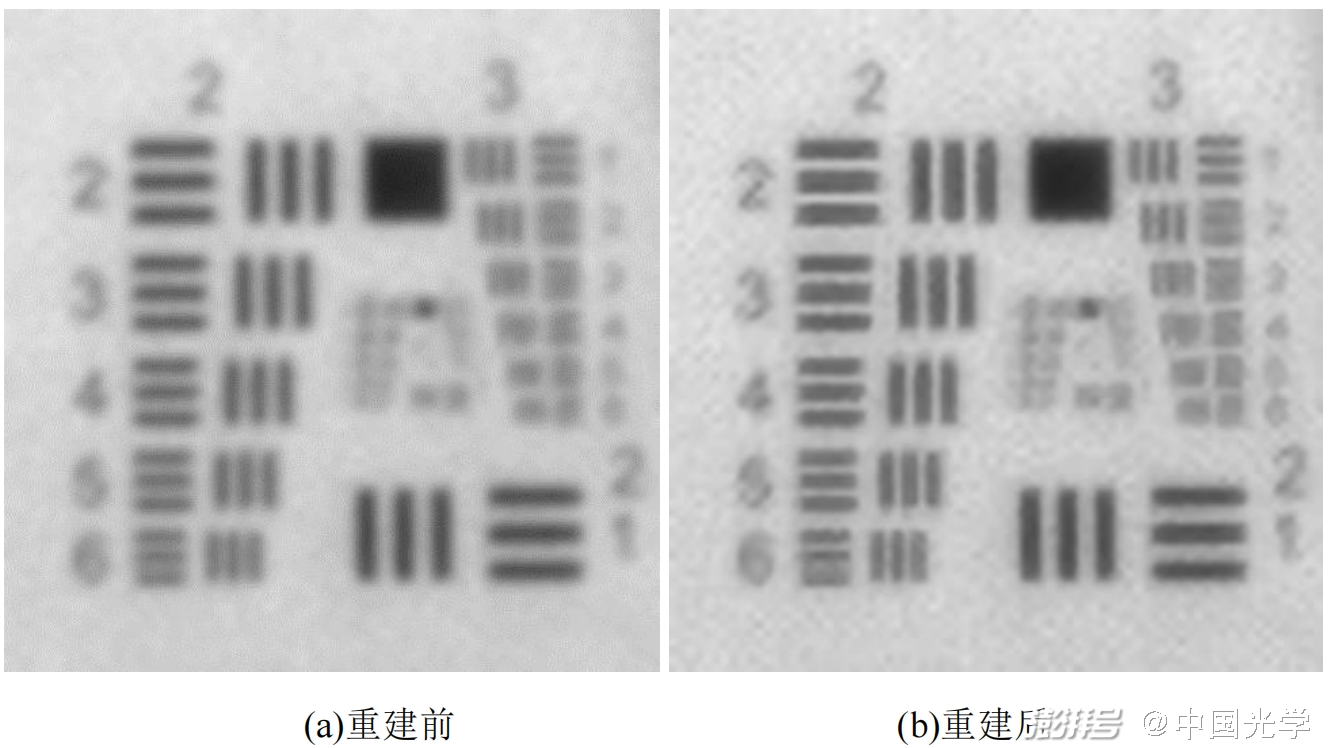
Figure 3: Comparison of effects before and after reconstruction
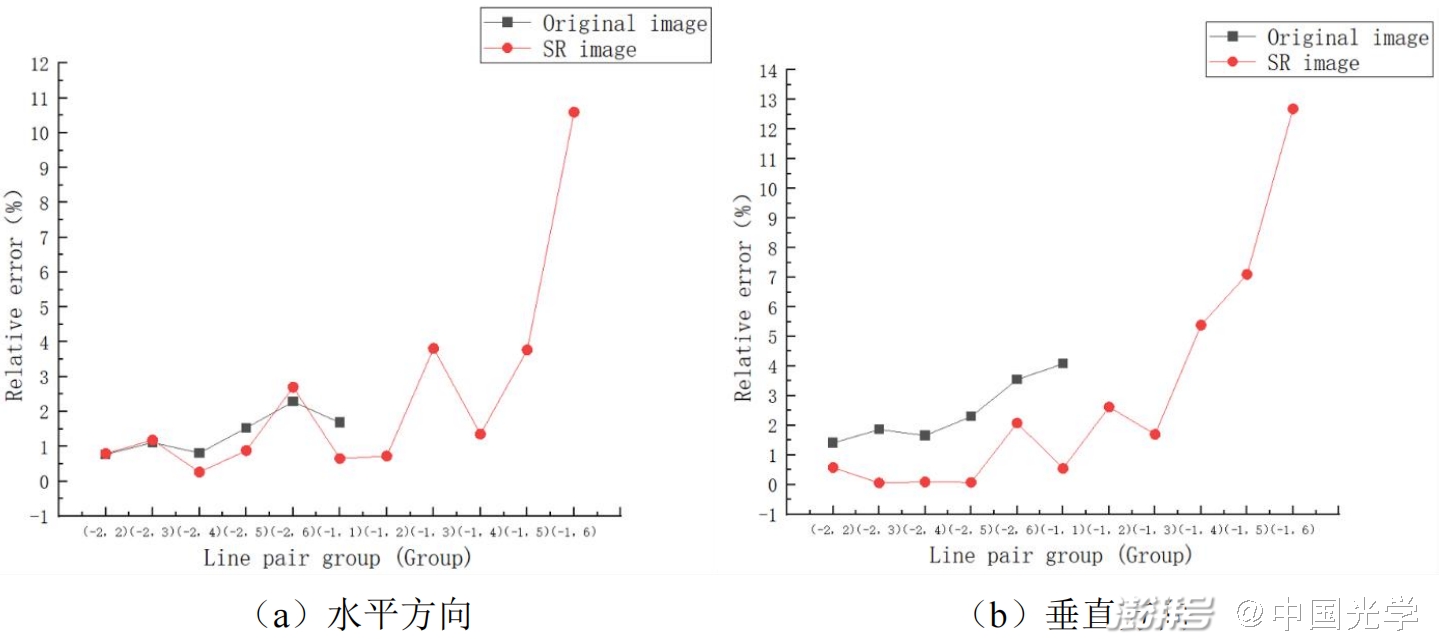
Figure 4: Relative error curve of line width measurement
Research prospects and future plans
This research combines image super-resolution reconstruction with tiny target recognition and measurement, breaking the resolution limit of the original hardware platform, and can design image super-resolution reconstruction network according to the target characteristics to achieve more detailed image reconstruction. On the basis of the original hardware platform, the target measurement accuracy is effectively improved. The research results provide a new research method for chip defect identification and measurement in semiconductor packaging field, which can help us make better use of image data, improve the efficiency and accuracy of image processing, and have potential application value.
Team Leader Profile
Xia Haojie, professor, doctoral supervisor, Dean of School of Instrument Science and Optoelectronic Engineering, Hefei University of Technology. He is mainly engaged in the research of precision theory and photoelectric ultra-precision measurement technology and instruments. In the past 5 years, he has presided over more than 10 scientific research projects such as national key research and development program projects, National Natural Science Foundation projects, and major science and technology research projects in Anhui Province, published more than 40 academic papers in foreign and domestic journals, and authorized 22 invention patents. In recent years, he has won the first prize of Science and Technology Award of China Instrumentation Society and the second prize of Anhui Province Technology Invention Award. In terms of teaching, he has presided over 5 provincial quality engineering projects such as new engineering projects of the Ministry of Education, pilot professional comprehensive reform of Anhui Province, and professional brand construction, and has won 3 provincial teaching achievements first prize and special prize in recent years.
Team profile
Relying on the "Feiyetai Precision Engineering Center", Professor Xia Haojie's team of Hefei University of Technology has studied the photoelectric precision measurement technology and instruments around the application requirements of ultra-precision measurement, complex shape measurement and large-size dynamic target measurement on the basis of continuing to study the precision theory. The team undertook a number of national key R&D programs, national major scientific instrument development projects, National Natural Science Foundation instrument projects and equipment pre-research projects, etc., and developed nano-grating interferometers, parallel scanning tables, super-resolution cameras, optical micro-nano scanning probes, ultra-precision air floating bearings and other micro-nano measurement and control components. Super resolution visual inspection system, visual tracking scanning measurement system, 3D micro and nano scanning measurement system, femtosecond laser topography measurement and super resolution imaging systems have been developed, and the research results have been applied to national major projects such as "Tianwen No. 1" and integrated circuit defect detection.

Thesis information
Fu Yangwei, Zhang Jin, Sun Cherishing et al. For small target measurement of channel attention network and system design [J]. Optical precision engineering, 2023, 31 (6) : 962-973. The DOI: 10.37188 / OPE. 20233106.0962.
Source: Thepaper.cn